|
|  | | | | | | | | | | | | | | | |
|
|
|
|
|
|
|
|
|
|
|
|
|
|
|
Incense burning is still a widely practiced part of spirituality, used by the Roman Catholic Church prior to each Mass (a nice traditional blend of frankincense and myrrh -- the ultimate in psychic and spiritual cleansing of both persons and dwellings -- and at one time, prized and coveted as highly as gold), and countless other organized religions around the world, as well as individuals during meditation or other spiritual rituals. Burning incense releases the properties of the herbs and resins contained in them (see my page on Herbs and Essential Oils); even to a "non-spiritual person," incense will noticeably change the vibrations felt in a room, and their emotional and psychological state.
Thanks to mass production, incense can be purchased nearly anywhere in ready-to-burn cone, stick, or powdered form. Incense quality varies a great deal from one manufacturer to another because the quality and type of oils used to create the incense directly effects its quality and scent. (This is one of those times where paying a little more for high quality incense is worth it.) However, for achieving a spiritual result -- such as spiritual and psychic cleansing, heightened awareness during divination, during meditation, during any type of candleburning ritual, etc., it is preferable and far more effective to use raw herbs and resins burned on an incense charcoal disc. Natural herb incense and resin incense can be purchased here (as well in many New Age/Metaphysical stores, and are readily available on-line if all else fails. Incense charcoals are self-lighting -- all you need to do is place them in an incense censer or a shallow, heat resistant dish (if using the latter, fill the dish 3/4 with sand or firmly packed earth), light one end with a match, and after the heat spreads across the surface, sprinkle a small amount of the selected herbs and/or resins on the charcoal. The charcoals will burn for quite a long time, and you will only need to add more herbs or resins as they dissolve. (Visit my Incense page to see all of the available incense and smudging kits.)
Raw herbs and resins can also be purchased in New Age/Metaphysical stores, as well as from herbal dealers, and are relatively inexpensive, as most shops sell the most widely used varieties at around $1.00/oz. It would be a good idea to purchase an Herbal Compendium, such as Penelope Ody's The Complete Medicinal Herbal, or Scott Cunningham's Encyclopedia of Magical Herbs, in order to familiarize yourself with some of the more common herbs and resins, their applications, and properties. See my page on Herbs and Essential Oils to view some more common herbs and their specific properties. Some herbs are not at all appropriate for indoor incense use, such as mistletoe. A good rule of thumb is if the herb is safe for adult consumption, it can be safely burned as incense. (Conversely, there are herbs and resins which are poisonous when ingested, but perfectly safe for incense burning.) Do not be intimidated or overwhelmed by my warnings and admonitions toward safety -- a small amount of reading on your part, and a large dose of common sense, is all you need to embark upon utilizing incense. One more note: be forewarned that most herbs do not smell the same when burning as they do in other forms -- both heather and patchouli, for example, have lovely fragrances when in fresh flower, dried, or oil form, but smell rather odd when burned as incense. But remember, when burning incense for its spiritual effects, its smell is secondary to its vibratory properties.
|
|
|
|
|
|
|
|
|
|
|
| | | | | | | | | | | | | | | | | | | | | | | | | | | | | | | | | | | | | | | | | | | | | | | | | | | | |
|
|
|
|
|
|
|
|
|
|
|
|
|
|
|
|
|
|
|
|
|
|
|
|
|
|
|
|
|
|
|
|
|
|
|
|
|
|
|
|
|
Toll Free 1-866-RAVEN93 Callers Outside the U.S. and Canada Please Call (732) 831-1783 |
|
|
|
|
|
|
|
|
|
|
|
|
|
|
 |
|
|
|
|
Incense |
|
|
|
|
|
|
|
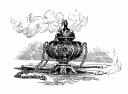
The use of incense dates back many thousands of years. It is believed that the practice grew out of man's discovery and use of fire; as different woods and barks containing natural resins were burned, the aromatic smoke produced certain emotional, psychological and physical effects. Experimentation with other plant matter over time likely resulted in the type of sophisticated incense making and burning techniques seen in Ancient Egypt and elsewhere around the world. (The Egyptians used what was called kuphi, an elaborate mixture of sixteen different ingredients.) It has long been universally believed that the rising smoke rising toward the Heavens would carry messages to the Gods. |
|
|
|
|
|
|
|
|
|
|
|
|
|
|
|
|
|
|
|
|
|
|
|
|
|
|
|
|
|
|
|
|
|
Incense burning is still a widely practiced part of spirituality, used by the Roman Catholic Church prior to each Mass (a nice traditional blend of frankincense and myrrh -- the ultimate in psychic and spiritual cleansing of both persons and dwellings -- and at one time, prized and coveted as highly as gold), and countless other organized religions around the world, as well as individuals during meditation or other spiritual rituals. Burning incense releases the properties of the herbs and resins contained in them (see my page on Herbs and Essential Oils); even to a "non-spiritual person," incense will noticeably change the vibrations felt in a room, and their emotional and psychological state.
Thanks to mass production, incense can be purchased nearly anywhere in ready-to-burn cone, stick, or powdered form. Incense quality varies a great deal from one manufacturer to another because the quality and type of oils used to create the incense directly effects its quality and scent. (This is one of those times where paying a little more for high quality incense is worth it.) However, for achieving a spiritual result -- such as spiritual and psychic cleansing, heightened awareness during divination, during meditation, during any type of candleburning ritual, etc., it is preferable and far more effective to use raw herbs and resins burned on an incense charcoal disc. Natural herb incense and resin incense can be purchased here (as well in many New Age/Metaphysical stores, and are readily available on-line if all else fails. Incense charcoals are self-lighting -- all you need to do is place them in an incense censer or a shallow, heat resistant dish (if using the latter, fill the dish 3/4 with sand or firmly packed earth), light one end with a match, and after the heat spreads across the surface, sprinkle a small amount of the selected herbs and/or resins on the charcoal. The charcoals will burn for quite a long time, and you will only need to add more herbs or resins as they dissolve. (Visit my Incense page to see all of the available incense and smudging kits.)
Raw herbs and resins can also be purchased in New Age/Metaphysical stores, as well as from herbal dealers, and are relatively inexpensive, as most shops sell the most widely used varieties at around $1.00/oz. It would be a good idea to purchase an Herbal Compendium, such as Penelope Ody's The Complete Medicinal Herbal, or Scott Cunningham's Encyclopedia of Magical Herbs, in order to familiarize yourself with some of the more common herbs and resins, their applications, and properties. See my page on Herbs and Essential Oils to view some more common herbs and their specific properties. Some herbs are not at all appropriate for indoor incense use, such as mistletoe. A good rule of thumb is if the herb is safe for adult consumption, it can be safely burned as incense. (Conversely, there are herbs and resins which are poisonous when ingested, but perfectly safe for incense burning.) Do not be intimidated or overwhelmed by my warnings and admonitions toward safety -- a small amount of reading on your part, and a large dose of common sense, is all you need to embark upon utilizing incense. One more note: be forewarned that most herbs do not smell the same when burning as they do in other forms -- both heather and patchouli, for example, have lovely fragrances when in fresh flower, dried, or oil form, but smell rather odd when burned as incense. But remember, when burning incense for its spiritual effects, its smell is secondary to its vibratory properties.
|
|
|
|
|
|
|
|
|
|
|
|
|
|
|
|
|
|
|
|
|
|
|
|
|
|
|
|
|
|
|
|
|
|
|
|
|
|
|
|
|
|
|
|
|
|
|
|
|
|
|
|
|
|
|
|
|
|
|
|
|
|
|
|
|
|
|
|
|
|
|
|
|
|
|
|
|
|
|
|
|
|
|
|
|
|
|
|
|
|
|
|
|
|
|
|
|
|
|
|
|
|
|
|
|
|
|
|
|
|
|
|
|
|
|
|
|
|
|
|
|
|
|
|
|
|
|
|
|
|
|
|
|
|
|
|
|
 |
|
|
Search the Call Of The Raven website! |
|
|
|
|
|
|
|
|
|
|
|
|
|
|
|
|
PLEASE do not attempt to steal or otherwise borrow the written materials, graphics and/or registered marks contained within this site. Internet plagiarism is illegal! (And even the best of us peace-loving folks have hungry litigation attorneys who need to be fed regularly.) |
|
|
|
|
|
|
©2001-2002 Call Of The Raven. All Rights Reserved. |
|
|
|
|
|
|
|
|
|
|
|
|
|
|
|
|
|
|
|